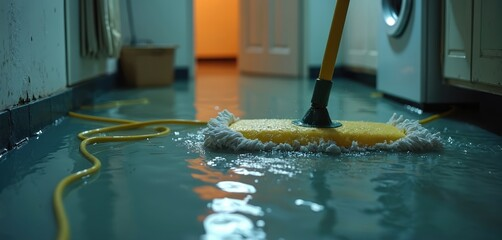
A basement often feels like the safest place in a home, tucked away from daily activity and protected by layers of structure. Yet when water finds its way inside, that same space can quickly become one of the most vulnerable areas.
The signs may start subtly with damp walls, a musty smell, or small puddles forming along the floor. Left unaddressed, these issues can grow into serious damage that affects not only the basement but the entire property. Understanding how Salt Lake City Water Damage Restoration in a basement works is essential for protecting both your home and your peace of mind.
Why Basements Are Prone to Water Damage
Basements are naturally more susceptible to water intrusion due to their location below ground level. Soil surrounding the foundation can retain moisture, and when pressure builds, water may seep through cracks or weak points in the structure. Poor drainage systems and heavy rainfall can make the situation worse by allowing water to accumulate around the foundation.
In addition to external sources, internal issues such as plumbing leaks or faulty appliances can also contribute to basement water damage. Because basements are often less frequently used, problems may go unnoticed for longer periods. This delay allows water to spread and increases the severity of the damage.
Understanding why basements are at risk helps emphasize the importance of regular inspections and early intervention.
Initial Inspection and Assessment
The first step in basement water damage restoration is a thorough inspection. This stage involves identifying the source of the water and evaluating the extent of the damage. Moisture can travel through walls and flooring, making it important to assess both visible and hidden areas.
Inspection also includes determining the type of water involved. Clean water from a plumbing issue is less hazardous than contaminated water that may carry harmful substances. This distinction affects how the restoration process is carried out.
A detailed assessment provides a clear understanding of what needs to be addressed. It ensures that all affected areas are included in the restoration plan and helps prevent future issues.
Water Removal and Extraction
Once the inspection is complete, the next step is removing any standing water. Basements can accumulate significant amounts of water, especially after heavy rainfall or flooding. Prompt removal is essential to prevent further damage.
Water extraction involves removing moisture from floors, walls, and any items stored in the basement. Carpets, furniture, and other materials may retain water even after visible pooling is gone. Addressing this residual moisture is critical for reducing drying time and preventing additional damage.
Efficient water removal is the foundation of the restoration process. It stops the spread of water and prepares the space for the next stages.
Drying and Dehumidification
After water removal, the focus shifts to drying and dehumidification. Basements can trap moisture due to limited airflow, making this stage especially important. Proper drying ensures that all remaining moisture is eliminated from the environment.
Air circulation and humidity control play a key role in this process. Moisture must be drawn out of walls, floors, and other materials to create a stable and dry space. Monitoring is necessary to ensure that moisture levels return to safe ranges.
Drying a basement may take time, particularly if water has penetrated deeply into structural components. Patience and thoroughness are essential to achieving effective results.
Cleaning and Sanitizing the Basement
Water damage in a basement often introduces contaminants and odors that must be addressed. Cleaning and sanitizing are essential steps in restoring a safe and healthy environment. This stage involves removing debris, disinfecting surfaces, and treating any areas affected by bacteria or mold.
Odor removal is also a key part of this process. Musty smells can indicate hidden moisture or microbial growth. Addressing these odors helps improve air quality and ensures that the space is comfortable to use again.
In some cases, materials that have been heavily affected may need to be removed and replaced. This prevents contamination from spreading and supports a more effective restoration process.
Repairing Structural and Interior Damage
Once the basement is clean and dry, the next step is repairing any damage that has occurred. This can include fixing cracks in walls, replacing damaged flooring, and restoring insulation. Structural repairs are particularly important in basements, as they help maintain the integrity of the foundation.
Interior restoration focuses on returning the space to its original condition. This may involve repainting walls, installing new materials, and ensuring that all systems are functioning properly. Attention to detail is important to create a finished result that is both functional and visually appealing.
Repairing damage completes the restoration process and allows the basement to be used safely once again.
Preventing Future Basement Water Damage
Preventing future water damage is a crucial part of maintaining a basement. Addressing vulnerabilities such as cracks in the foundation and improving drainage systems can significantly reduce the risk of water intrusion. Ensuring that gutters and downspouts direct water away from the property is also important.
Managing indoor humidity levels can help prevent moisture buildup. Proper ventilation and the use of dehumidifiers can create a more stable environment. Regular inspections allow for early detection of potential issues, making it easier to address them before they become serious problems.
Taking proactive steps helps protect the basement and ensures that the results of restoration are long lasting.
The Importance of Acting Quickly
Time is a critical factor when dealing with basement water damage. The longer water remains in the space, the greater the risk of structural damage and mold growth. Acting quickly helps limit the extent of the damage and reduces the overall restoration effort.
Prompt action also improves the effectiveness of each stage of the process. Water removal is easier when damage is recent, and drying is more efficient when materials have not been saturated for long periods.
Recognizing the signs of water damage and responding immediately can make a significant difference in the outcome.
Final Thoughts
Water damage restoration in a basement requires a thorough and methodical approach. From inspection and water removal to drying, cleaning, and repairs, each step plays a vital role in restoring the space to a safe and functional condition. Basements present unique challenges due to their location and susceptibility to moisture, making proper restoration essential.
By understanding the process and taking preventive measures, it is possible to protect a basement from future damage and maintain a stable environment. Acting quickly, addressing issues thoroughly, and staying proactive all contribute to a successful restoration outcome. In the end, restoring a basement is not just about fixing damage but about preserving the strength and security of the entire property.