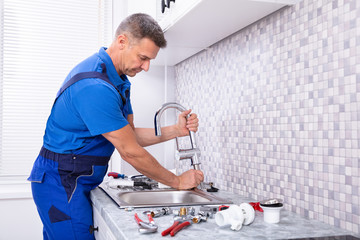
Why Professional Plumbing Matters for Every Home

Plumbing

A small plumbing issue can quickly turn into a major household problem when it is ignored for too long. A dripping faucet may seem harmless at first, but over time it can waste water, increase utility costs, and signal deeper plumbing concerns. Clogged drains, leaking pipes, and low water pressure can disrupt daily routines and create unnecessary stress for homeowners. Residential plumbing services are essential for maintaining a safe, efficient, and comfortable home environment while preventing costly damage and plumbing emergencies.

Understanding the Role of a Residential Plumber

A residential Plumber San Fernando CA specializes in installing, repairing, and maintaining plumbing systems within homes. These systems include water supply lines, drainage pipes, fixtures, water heaters, and sewer connections. Residential plumbers are trained to handle a wide range of plumbing issues that affect everyday household activities.

Plumbing systems operate constantly behind walls, under floors, and throughout the property. Because many components are hidden from view, problems may develop gradually before becoming noticeable. Residential plumbers help identify these issues early and provide solutions that restore proper function and efficiency.

In addition to repairs, residential plumbers also assist with preventive maintenance and new installations. Whether upgrading fixtures, replacing old pipes, or addressing emergency leaks, professional plumbing services help protect the home and improve overall convenience for homeowners.

Common Plumbing Problems in Homes

One of the most common reasons homeowners contact a residential plumber is for clogged drains. Hair, grease, soap residue, and debris can accumulate inside pipes over time and restrict water flow. Slow drains may eventually lead to complete blockages if not addressed properly.

Leaking faucets and pipes are also frequent household plumbing issues. Even small leaks can waste significant amounts of water and contribute to higher utility bills. Hidden leaks behind walls or beneath flooring may also lead to mold growth and structural damage if ignored for too long.

Low water pressure is another common concern. Mineral buildup, pipe corrosion, or hidden leaks can reduce water flow throughout the home. This problem often affects showers, sinks, and appliances that rely on consistent water pressure for proper operation.

Running toilets, sewer backups, and water heater malfunctions are additional plumbing issues that require professional attention. Addressing these problems quickly helps prevent more extensive damage and costly repairs later.

The Importance of Professional Plumbing Services

Professional plumbing services are important because plumbing systems are complex and require proper knowledge and equipment for safe repairs. Attempting to fix major plumbing issues without experience may worsen the problem and increase repair costs.

Residential plumbers are trained to diagnose problems accurately and identify the root cause rather than only treating visible symptoms. This helps ensure that repairs provide long term results instead of temporary solutions. Professional plumbers also understand local plumbing codes and safety standards that help protect the property.

Another reason professional plumbing services matter is efficiency. Experienced plumbers use specialized tools and techniques to complete repairs more quickly and effectively. This minimizes disruptions to the household and reduces the likelihood of recurring issues.

Professional plumbing services also help homeowners avoid water damage. Even a small leak can lead to expensive repairs if moisture spreads into walls, ceilings, or flooring. Timely repairs protect both the plumbing system and the structural condition of the home.

Residential Plumbing Installation Services

Residential plumbers provide a variety of installation services for both new homes and remodeling projects. Plumbing installation includes water lines, drainage systems, sinks, toilets, bathtubs, showers, and water heaters. Proper installation is essential for long term system performance and efficiency.

Kitchen and bathroom renovations often require plumbing upgrades to support new fixtures and layouts. Residential plumbers ensure that pipes, drains, and water supply systems are installed correctly and function safely within the updated space.

Water heater installation is another common service. Whether installing traditional tank systems or tankless water heaters, professional plumbers help homeowners choose the right option for their household needs. Proper installation improves energy efficiency and ensures reliable hot water access.

New appliance connections such as dishwashers, washing machines, and refrigerators also require professional plumbing work. Correct installation helps prevent leaks and ensures appliances operate efficiently from the beginning.

Drain and Sewer Services

Drain and sewer systems are critical parts of every home’s plumbing network. Residential plumbers provide cleaning, inspection, and repair services to keep wastewater flowing properly away from the property. Over time, drain pipes may become blocked by grease, soap buildup, food particles, or debris.

Professional drain cleaning removes these blockages and restores normal water flow. Sewer line inspections using specialized cameras help identify hidden issues such as cracks, root intrusion, or pipe deterioration. Early detection of sewer problems can prevent serious plumbing emergencies and property damage.

Sewer line repair services address damaged or collapsed pipes that may cause backups or unpleasant odors around the home. Modern repair methods often reduce disruption to landscaping and flooring while restoring efficient wastewater flow.

Maintaining healthy drains and sewer lines improves sanitation, reduces odors, and helps prevent costly plumbing failures in the future.

Water Heater Repair and Maintenance

Hot water is an essential part of daily life, making water heater maintenance an important service provided by residential plumbers. Water heaters can experience problems such as inconsistent temperatures, strange noises, leaks, or reduced efficiency over time.

Sediment buildup inside the tank is one of the most common causes of water heater problems. This buildup reduces heating efficiency and places additional stress on the system. Routine maintenance helps remove sediment and improve performance.

Residential plumbers also repair faulty heating elements, pressure valves, and thermostats that may affect water heater operation. In cases where the unit is severely damaged or outdated, replacement may be recommended to improve energy efficiency and reliability.

Regular maintenance helps extend the lifespan of the water heater while ensuring consistent hot water throughout the home.

Emergency Plumbing Services

Plumbing emergencies can happen at any time and often require immediate professional attention. Burst pipes, severe leaks, overflowing toilets, and sewer backups can quickly damage the property if not addressed promptly.

Emergency residential plumbing services focus on stopping water damage, restoring plumbing function, and preventing further complications. Fast response is especially important because standing water can weaken flooring, walls, and structural components within a short period.

Frozen pipes are another common emergency in colder conditions. When water freezes inside pipes, pressure builds and increases the risk of pipe bursts. Professional plumbers can thaw pipes safely and repair any resulting damage.

Having access to emergency plumbing services provides homeowners with peace of mind during unexpected situations and helps minimize costly repairs.

Preventive Plumbing Maintenance

Preventive maintenance is one of the best ways to avoid serious plumbing problems. Regular inspections help identify leaks, corrosion, and worn components before they fail completely. Small repairs completed early are usually far less expensive than emergency plumbing work later.

Drain cleaning and water heater maintenance are important parts of preventive care. These services help improve system efficiency and reduce the risk of clogs or equipment breakdowns. Inspecting pipes for leaks and checking water pressure also support healthier plumbing performance.

Homeowners can contribute to plumbing maintenance by being mindful of what enters drains and toilets. Avoiding grease, wipes, and non biodegradable materials helps reduce the likelihood of blockages. Addressing small leaks promptly also prevents long term water damage.

Preventive maintenance extends the lifespan of plumbing systems and improves overall household comfort and reliability.

Choosing the Right Residential Plumber

Selecting the right residential plumber is important for ensuring quality workmanship and dependable service. Experience and proper licensing are essential factors because plumbing repairs and installations require technical knowledge and safety standards.

Homeowners should also consider the range of services offered. A skilled residential plumber should be able to handle repairs, installations, inspections, and emergency situations efficiently. Clear communication and transparent pricing also contribute to a positive service experience.

Reliability and professionalism matter as well. Plumbing problems often create stress, so working with a plumber who responds promptly and explains solutions clearly can make the process much easier for homeowners.

Choosing a qualified residential plumber helps ensure that plumbing systems are repaired and maintained correctly for long term performance and safety.

Conclusion

Residential plumber services play a critical role in maintaining the comfort, safety, and efficiency of every home. From repairing leaks and clearing drains to installing water heaters and handling emergency plumbing issues, professional plumbers help keep essential household systems functioning properly.

Understanding common plumbing problems and investing in preventive maintenance can help homeowners avoid expensive repairs and unexpected disruptions. Timely service and proper care not only protect the plumbing system but also preserve the overall condition and value of the property.

A reliable residential plumber provides more than just repairs. They help create a healthier, safer, and more comfortable living environment that homeowners can depend on every day.
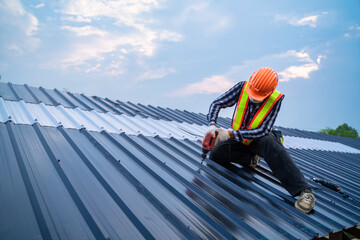
When Should You Consider Roofing Replacement for Your Home?

Roofing

A roof quietly protects a home every single day, yet many homeowners rarely think about it until a serious problem appears. One day, everything may seem perfectly fine, and the next, water stains begin spreading across the ceiling after a storm. Missing shingles, sagging areas, and rising energy bills often arrive as warning signs that the roof is no longer performing the way it should. For many homeowners, these issues lead to one important question: is it finally time for a roofing replacement?

Replacing a roof is one of the biggest home improvement decisions a homeowner can make. It affects safety, comfort, energy efficiency, property value, and long term maintenance costs. While repairs can solve minor problems, there comes a point when replacing the entire roof becomes the smarter and more cost effective option. Understanding the signs of roof deterioration, the replacement process, and the available roofing materials can help homeowners make informed decisions while protecting their homes for years to come. Visit Website for more information.

Why Roofing Replacement Is Important

A roof does much more than simply cover a house. It acts as the home’s first layer of protection against rain, sunlight, wind, humidity, and changing temperatures. Over time, constant exposure to weather conditions gradually weakens roofing materials and reduces their ability to protect the property effectively.

An aging or damaged roof can lead to serious structural problems if ignored for too long. Water leaks may damage ceilings, walls, insulation, and electrical systems. Moisture trapped inside the home can also encourage mold growth, which may affect indoor air quality and create health concerns for occupants.

Roofing replacement also improves energy efficiency. Older roofing materials often lose their insulating performance over time, causing heating and cooling systems to work harder. Replacing the roof with newer materials can help regulate indoor temperatures more effectively and reduce energy costs.

Another major reason homeowners consider roof replacement is property value. A new roof improves curb appeal and gives potential buyers confidence that the home has been properly maintained. In many cases, a roof replacement becomes a worthwhile long term investment rather than just a repair expense.

Common Signs That a Roof Needs Replacement

Many roofing problems begin gradually, which makes them easy to overlook in the early stages. Homeowners who recognize warning signs early may avoid more severe structural damage and costly repairs later.

One of the most obvious signs is missing or damaged shingles. Shingles that crack, curl, or loosen from the roof surface indicate that the material is deteriorating. If large sections of shingles are missing after storms or strong winds, the roof may no longer provide reliable protection.

Water leaks are another major warning sign. Stains on ceilings or walls often indicate moisture entering through damaged roofing materials or weakened flashing around vents and chimneys. Even small leaks can eventually lead to significant structural issues if left untreated.

Sagging rooflines should never be ignored because they may indicate underlying structural damage or moisture problems affecting the roof deck. Excessive moss or algae growth can also suggest trapped moisture that weakens roofing materials over time.

Granules collecting in gutters are another common sign of aging asphalt shingles. As shingles wear down, they lose the protective granules that shield them from sunlight and weather exposure.

In some cases, rising energy bills may point to roofing problems as well. Poor roof insulation or ventilation can allow heat to escape during colder seasons and trap excessive heat during warmer months.

Roof Repair Versus Full Replacement

One of the most common questions homeowners ask is whether their roof needs repairs or a complete replacement. The answer depends on the severity of the damage, the age of the roof, and the overall condition of the roofing system.

Minor problems such as a few damaged shingles or isolated leaks may often be repaired successfully. Timely repairs can extend the life of the roof and prevent further deterioration when the damage is limited.

However, repeated repairs may become less practical as the roof continues aging. If leaks keep returning, large sections of roofing are damaged, or structural issues are developing underneath the surface, replacement may be the better long term solution.

Age is another important factor. Most roofing materials have expected lifespans, and once a roof approaches the end of that period, repairs may only provide temporary relief. Investing in a new roof can sometimes save homeowners money by reducing ongoing repair costs and improving energy efficiency.

Professional inspections are valuable because they help determine whether the roof still has enough structural integrity to justify repairs or if full replacement is necessary.

Popular Roofing Materials for Replacement

Choosing the right roofing material is one of the most important parts of the replacement process. Different materials offer varying levels of durability, appearance, maintenance, and energy efficiency.

Asphalt shingles remain one of the most popular choices because they are affordable and available in many styles and colors. They provide reliable protection for many residential properties and are relatively easy to repair when damaged.

Metal roofing has gained popularity because of its long lifespan and resistance to harsh weather conditions. Metal roofs are also known for reflecting heat, which may improve energy efficiency during warmer seasons.

Tile roofing offers a distinctive appearance and excellent durability. Clay and concrete tiles can last for decades when properly maintained, although they are heavier and may require stronger structural support.

Wood shingles and shakes provide natural beauty and rustic charm. However, they usually require more maintenance and protection against moisture and insects.

Slate roofing is often considered a premium option because of its elegant appearance and remarkable longevity. Although it is one of the more expensive roofing materials, slate can last for many decades with proper care.

Selecting the right material depends on budget, climate, maintenance preferences, and the desired appearance of the home.

What Happens During a Roof Replacement?

Many homeowners feel nervous about the roofing replacement process because they are unsure what to expect. Understanding the basic steps involved can help reduce stress and improve preparation.

The process usually begins with a detailed roof inspection to evaluate the condition of the existing materials and underlying structure. Measurements are taken, and homeowners choose the replacement material that best fits their needs.

During installation, old roofing materials are removed so the roof deck underneath can be inspected for hidden damage. Any weakened or rotted sections are repaired before the new roofing system is installed.

Protective layers such as underlayment and flashing are then added to help prevent water intrusion. The chosen roofing material is installed carefully to ensure proper alignment, sealing, and ventilation.

The replacement timeline varies depending on the size of the roof, weather conditions, and material type. Some projects may be completed quickly, while larger or more complex roofs require additional time.

Cleanup is also an important part of the process. Roofing crews remove old materials, nails, and debris to restore the property once installation is complete.

How Weather Affects Roofing Lifespan

Weather conditions play a major role in how long a roof lasts before replacement becomes necessary. Constant exposure to sunlight, rain, humidity, wind, and temperature changes gradually weakens roofing materials over time.

Strong winds may loosen shingles or expose vulnerable areas of the roof. Heavy rain can increase moisture damage, especially if drainage systems are clogged or damaged. Prolonged exposure to sunlight may cause certain materials to dry out, crack, or lose flexibility.

Temperature fluctuations also affect roofing systems. Expansion and contraction caused by changing weather conditions can weaken seals and create small openings where moisture enters.

Homes located in areas with severe storms or frequent weather changes may require more frequent inspections and earlier roof replacement compared to properties exposed to milder conditions.

Regular maintenance helps reduce weather related damage and may extend the lifespan of the roofing system significantly.

The Importance of Roof Ventilation and Insulation

Many homeowners focus only on the outer roofing materials, but ventilation and insulation are equally important parts of a healthy roofing system. Poor ventilation can trap heat and moisture inside the attic, which accelerates roof deterioration and reduces energy efficiency.

Excess moisture inside attic spaces may lead to mold growth, wood rot, and weakened structural components. During warmer months, trapped heat can increase indoor temperatures and force cooling systems to work harder.

Proper ventilation allows air to circulate through the attic, helping regulate temperature and moisture levels. Insulation also helps reduce heat transfer between the roof and living spaces.

When replacing a roof, improving ventilation and insulation can enhance the overall performance of the entire home while extending the lifespan of the new roofing materials.

How Regular Maintenance Delays Roof Replacement

Although every roof eventually reaches the point where replacement becomes necessary, regular maintenance can help extend its lifespan considerably. Many roofing problems worsen because small issues are ignored until they become major structural concerns.

Routine inspections help identify damaged shingles, leaks, clogged gutters, and flashing problems early. Cleaning debris from the roof and gutters also improves drainage and reduces moisture buildup.

Tree branches hanging over the roof should be trimmed to reduce debris accumulation and prevent storm damage. Moss and algae growth should also be removed because trapped moisture weakens roofing materials over time.

Homeowners who schedule regular roof inspections and maintenance often experience fewer unexpected repairs and longer lasting roofing performance.

Final Thoughts

Roofing replacement is one of the most important investments homeowners can make to protect their property and maintain long term comfort. A strong and reliable roof safeguards the home from weather damage, improves energy efficiency, and enhances overall property value.

Recognizing early warning signs such as leaks, damaged shingles, sagging areas, and rising energy costs can help homeowners address roofing problems before they become severe. While minor issues may sometimes be repaired, aging or extensively damaged roofs often require complete replacement for long term protection.

Choosing the right roofing material, maintaining proper ventilation, and performing routine inspections all contribute to a healthier and longer lasting roof. With careful planning and proper maintenance, homeowners can enjoy greater peace of mind knowing their home remains protected for many years to come.

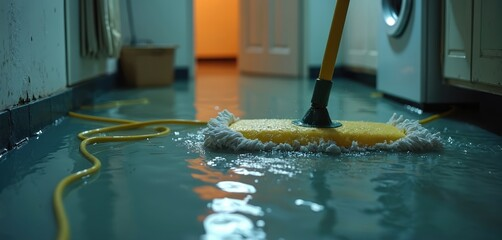
How to Handle Water Damage Restoration in a Basement Effectively

Water Damage Restoration

A basement often feels like the safest place in a home, tucked away from daily activity and protected by layers of structure. Yet when water finds its way inside, that same space can quickly become one of the most vulnerable areas.

The signs may start subtly with damp walls, a musty smell, or small puddles forming along the floor. Left unaddressed, these issues can grow into serious damage that affects not only the basement but the entire property. Understanding how Salt Lake City Water Damage Restoration in a basement works is essential for protecting both your home and your peace of mind.

Why Basements Are Prone to Water Damage

Basements are naturally more susceptible to water intrusion due to their location below ground level. Soil surrounding the foundation can retain moisture, and when pressure builds, water may seep through cracks or weak points in the structure. Poor drainage systems and heavy rainfall can make the situation worse by allowing water to accumulate around the foundation.

In addition to external sources, internal issues such as plumbing leaks or faulty appliances can also contribute to basement water damage. Because basements are often less frequently used, problems may go unnoticed for longer periods. This delay allows water to spread and increases the severity of the damage.

Understanding why basements are at risk helps emphasize the importance of regular inspections and early intervention.

Initial Inspection and Assessment

The first step in basement water damage restoration is a thorough inspection. This stage involves identifying the source of the water and evaluating the extent of the damage. Moisture can travel through walls and flooring, making it important to assess both visible and hidden areas.

Inspection also includes determining the type of water involved. Clean water from a plumbing issue is less hazardous than contaminated water that may carry harmful substances. This distinction affects how the restoration process is carried out.

A detailed assessment provides a clear understanding of what needs to be addressed. It ensures that all affected areas are included in the restoration plan and helps prevent future issues.

Water Removal and Extraction

Once the inspection is complete, the next step is removing any standing water. Basements can accumulate significant amounts of water, especially after heavy rainfall or flooding. Prompt removal is essential to prevent further damage.

Water extraction involves removing moisture from floors, walls, and any items stored in the basement. Carpets, furniture, and other materials may retain water even after visible pooling is gone. Addressing this residual moisture is critical for reducing drying time and preventing additional damage.

Efficient water removal is the foundation of the restoration process. It stops the spread of water and prepares the space for the next stages.

Drying and Dehumidification

After water removal, the focus shifts to drying and dehumidification. Basements can trap moisture due to limited airflow, making this stage especially important. Proper drying ensures that all remaining moisture is eliminated from the environment.

Air circulation and humidity control play a key role in this process. Moisture must be drawn out of walls, floors, and other materials to create a stable and dry space. Monitoring is necessary to ensure that moisture levels return to safe ranges.

Drying a basement may take time, particularly if water has penetrated deeply into structural components. Patience and thoroughness are essential to achieving effective results.

Cleaning and Sanitizing the Basement

Water damage in a basement often introduces contaminants and odors that must be addressed. Cleaning and sanitizing are essential steps in restoring a safe and healthy environment. This stage involves removing debris, disinfecting surfaces, and treating any areas affected by bacteria or mold.

Odor removal is also a key part of this process. Musty smells can indicate hidden moisture or microbial growth. Addressing these odors helps improve air quality and ensures that the space is comfortable to use again.

In some cases, materials that have been heavily affected may need to be removed and replaced. This prevents contamination from spreading and supports a more effective restoration process.

Repairing Structural and Interior Damage

Once the basement is clean and dry, the next step is repairing any damage that has occurred. This can include fixing cracks in walls, replacing damaged flooring, and restoring insulation. Structural repairs are particularly important in basements, as they help maintain the integrity of the foundation.

Interior restoration focuses on returning the space to its original condition. This may involve repainting walls, installing new materials, and ensuring that all systems are functioning properly. Attention to detail is important to create a finished result that is both functional and visually appealing.

Repairing damage completes the restoration process and allows the basement to be used safely once again.

Preventing Future Basement Water Damage

Preventing future water damage is a crucial part of maintaining a basement. Addressing vulnerabilities such as cracks in the foundation and improving drainage systems can significantly reduce the risk of water intrusion. Ensuring that gutters and downspouts direct water away from the property is also important.

Managing indoor humidity levels can help prevent moisture buildup. Proper ventilation and the use of dehumidifiers can create a more stable environment. Regular inspections allow for early detection of potential issues, making it easier to address them before they become serious problems.

Taking proactive steps helps protect the basement and ensures that the results of restoration are long lasting.

The Importance of Acting Quickly

Time is a critical factor when dealing with basement water damage. The longer water remains in the space, the greater the risk of structural damage and mold growth. Acting quickly helps limit the extent of the damage and reduces the overall restoration effort.

Prompt action also improves the effectiveness of each stage of the process. Water removal is easier when damage is recent, and drying is more efficient when materials have not been saturated for long periods.

Recognizing the signs of water damage and responding immediately can make a significant difference in the outcome.

Final Thoughts

Water damage restoration in a basement requires a thorough and methodical approach. From inspection and water removal to drying, cleaning, and repairs, each step plays a vital role in restoring the space to a safe and functional condition. Basements present unique challenges due to their location and susceptibility to moisture, making proper restoration essential.

By understanding the process and taking preventive measures, it is possible to protect a basement from future damage and maintain a stable environment. Acting quickly, addressing issues thoroughly, and staying proactive all contribute to a successful restoration outcome. In the end, restoring a basement is not just about fixing damage but about preserving the strength and security of the entire property.