When Should You Consider Roofing Replacement for Your Home?

Roofing

A roof quietly protects a home every single day, yet many homeowners rarely think about it until a serious problem appears. One day, everything may seem perfectly fine, and the next, water stains begin spreading across the ceiling after a storm. Missing shingles, sagging areas, and rising energy bills often arrive as warning signs that the roof is no longer performing the way it should. For many homeowners, these issues lead to one important question: is it finally time for a roofing replacement?

Replacing a roof is one of the biggest home improvement decisions a homeowner can make. It affects safety, comfort, energy efficiency, property value, and long term maintenance costs. While repairs can solve minor problems, there comes a point when replacing the entire roof becomes the smarter and more cost effective option. Understanding the signs of roof deterioration, the replacement process, and the available roofing materials can help homeowners make informed decisions while protecting their homes for years to come. Visit Website for more information.

Why Roofing Replacement Is Important

A roof does much more than simply cover a house. It acts as the home’s first layer of protection against rain, sunlight, wind, humidity, and changing temperatures. Over time, constant exposure to weather conditions gradually weakens roofing materials and reduces their ability to protect the property effectively.

An aging or damaged roof can lead to serious structural problems if ignored for too long. Water leaks may damage ceilings, walls, insulation, and electrical systems. Moisture trapped inside the home can also encourage mold growth, which may affect indoor air quality and create health concerns for occupants.

Roofing replacement also improves energy efficiency. Older roofing materials often lose their insulating performance over time, causing heating and cooling systems to work harder. Replacing the roof with newer materials can help regulate indoor temperatures more effectively and reduce energy costs.

Another major reason homeowners consider roof replacement is property value. A new roof improves curb appeal and gives potential buyers confidence that the home has been properly maintained. In many cases, a roof replacement becomes a worthwhile long term investment rather than just a repair expense.

Common Signs That a Roof Needs Replacement

Many roofing problems begin gradually, which makes them easy to overlook in the early stages. Homeowners who recognize warning signs early may avoid more severe structural damage and costly repairs later.

One of the most obvious signs is missing or damaged shingles. Shingles that crack, curl, or loosen from the roof surface indicate that the material is deteriorating. If large sections of shingles are missing after storms or strong winds, the roof may no longer provide reliable protection.

Water leaks are another major warning sign. Stains on ceilings or walls often indicate moisture entering through damaged roofing materials or weakened flashing around vents and chimneys. Even small leaks can eventually lead to significant structural issues if left untreated.

Sagging rooflines should never be ignored because they may indicate underlying structural damage or moisture problems affecting the roof deck. Excessive moss or algae growth can also suggest trapped moisture that weakens roofing materials over time.

Granules collecting in gutters are another common sign of aging asphalt shingles. As shingles wear down, they lose the protective granules that shield them from sunlight and weather exposure.

In some cases, rising energy bills may point to roofing problems as well. Poor roof insulation or ventilation can allow heat to escape during colder seasons and trap excessive heat during warmer months.

Roof Repair Versus Full Replacement

One of the most common questions homeowners ask is whether their roof needs repairs or a complete replacement. The answer depends on the severity of the damage, the age of the roof, and the overall condition of the roofing system.

Minor problems such as a few damaged shingles or isolated leaks may often be repaired successfully. Timely repairs can extend the life of the roof and prevent further deterioration when the damage is limited.

However, repeated repairs may become less practical as the roof continues aging. If leaks keep returning, large sections of roofing are damaged, or structural issues are developing underneath the surface, replacement may be the better long term solution.

Age is another important factor. Most roofing materials have expected lifespans, and once a roof approaches the end of that period, repairs may only provide temporary relief. Investing in a new roof can sometimes save homeowners money by reducing ongoing repair costs and improving energy efficiency.

Professional inspections are valuable because they help determine whether the roof still has enough structural integrity to justify repairs or if full replacement is necessary.

Popular Roofing Materials for Replacement

Choosing the right roofing material is one of the most important parts of the replacement process. Different materials offer varying levels of durability, appearance, maintenance, and energy efficiency.

Asphalt shingles remain one of the most popular choices because they are affordable and available in many styles and colors. They provide reliable protection for many residential properties and are relatively easy to repair when damaged.

Metal roofing has gained popularity because of its long lifespan and resistance to harsh weather conditions. Metal roofs are also known for reflecting heat, which may improve energy efficiency during warmer seasons.

Tile roofing offers a distinctive appearance and excellent durability. Clay and concrete tiles can last for decades when properly maintained, although they are heavier and may require stronger structural support.

Wood shingles and shakes provide natural beauty and rustic charm. However, they usually require more maintenance and protection against moisture and insects.

Slate roofing is often considered a premium option because of its elegant appearance and remarkable longevity. Although it is one of the more expensive roofing materials, slate can last for many decades with proper care.

Selecting the right material depends on budget, climate, maintenance preferences, and the desired appearance of the home.

What Happens During a Roof Replacement?

Many homeowners feel nervous about the roofing replacement process because they are unsure what to expect. Understanding the basic steps involved can help reduce stress and improve preparation.

The process usually begins with a detailed roof inspection to evaluate the condition of the existing materials and underlying structure. Measurements are taken, and homeowners choose the replacement material that best fits their needs.

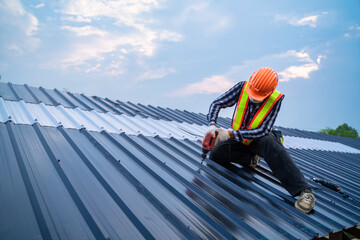
During installation, old roofing materials are removed so the roof deck underneath can be inspected for hidden damage. Any weakened or rotted sections are repaired before the new roofing system is installed.

Protective layers such as underlayment and flashing are then added to help prevent water intrusion. The chosen roofing material is installed carefully to ensure proper alignment, sealing, and ventilation.

The replacement timeline varies depending on the size of the roof, weather conditions, and material type. Some projects may be completed quickly, while larger or more complex roofs require additional time.

Cleanup is also an important part of the process. Roofing crews remove old materials, nails, and debris to restore the property once installation is complete.

How Weather Affects Roofing Lifespan

Weather conditions play a major role in how long a roof lasts before replacement becomes necessary. Constant exposure to sunlight, rain, humidity, wind, and temperature changes gradually weakens roofing materials over time.

Strong winds may loosen shingles or expose vulnerable areas of the roof. Heavy rain can increase moisture damage, especially if drainage systems are clogged or damaged. Prolonged exposure to sunlight may cause certain materials to dry out, crack, or lose flexibility.

Temperature fluctuations also affect roofing systems. Expansion and contraction caused by changing weather conditions can weaken seals and create small openings where moisture enters.

Homes located in areas with severe storms or frequent weather changes may require more frequent inspections and earlier roof replacement compared to properties exposed to milder conditions.

Regular maintenance helps reduce weather related damage and may extend the lifespan of the roofing system significantly.

The Importance of Roof Ventilation and Insulation

Many homeowners focus only on the outer roofing materials, but ventilation and insulation are equally important parts of a healthy roofing system. Poor ventilation can trap heat and moisture inside the attic, which accelerates roof deterioration and reduces energy efficiency.

Excess moisture inside attic spaces may lead to mold growth, wood rot, and weakened structural components. During warmer months, trapped heat can increase indoor temperatures and force cooling systems to work harder.

Proper ventilation allows air to circulate through the attic, helping regulate temperature and moisture levels. Insulation also helps reduce heat transfer between the roof and living spaces.

When replacing a roof, improving ventilation and insulation can enhance the overall performance of the entire home while extending the lifespan of the new roofing materials.

How Regular Maintenance Delays Roof Replacement

Although every roof eventually reaches the point where replacement becomes necessary, regular maintenance can help extend its lifespan considerably. Many roofing problems worsen because small issues are ignored until they become major structural concerns.

Routine inspections help identify damaged shingles, leaks, clogged gutters, and flashing problems early. Cleaning debris from the roof and gutters also improves drainage and reduces moisture buildup.

Tree branches hanging over the roof should be trimmed to reduce debris accumulation and prevent storm damage. Moss and algae growth should also be removed because trapped moisture weakens roofing materials over time.

Homeowners who schedule regular roof inspections and maintenance often experience fewer unexpected repairs and longer lasting roofing performance.

Final Thoughts

Roofing replacement is one of the most important investments homeowners can make to protect their property and maintain long term comfort. A strong and reliable roof safeguards the home from weather damage, improves energy efficiency, and enhances overall property value.

Recognizing early warning signs such as leaks, damaged shingles, sagging areas, and rising energy costs can help homeowners address roofing problems before they become severe. While minor issues may sometimes be repaired, aging or extensively damaged roofs often require complete replacement for long term protection.

Choosing the right roofing material, maintaining proper ventilation, and performing routine inspections all contribute to a healthier and longer lasting roof. With careful planning and proper maintenance, homeowners can enjoy greater peace of mind knowing their home remains protected for many years to come.

A Career As a Plumber Is Recession-Proof

Plumber Westminster is essential to ensuring water and sewage systems function properly in residential, commercial, and industrial settings. Plumbers are often referred to as “recession-proof” because their skills are in demand regardless of the economy.

Plumber

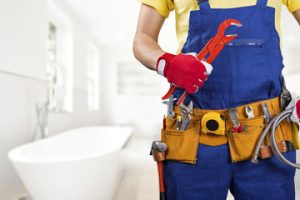
Plumbers respond to service calls for leaks, clogs, and other plumbing issues. They also collaborate with architects and construction teams on new building projects.

Plumbers work in a wide variety of environments, including residential homes, commercial buildings, and construction sites. They install and repair pipes that facilitate the distribution of water, gas, and waste in these settings. They also troubleshoot and repair plumbing problems, such as leaky pipes and clogged drains. Some plumbers choose to specialize in specific areas of the field, such as residential plumbing or industrial plumbing.

The type of work environment a plumber experiences depends on the type of plumbing in which they are skilled. Service and repair plumbers typically interact with customers directly, providing advice and estimates on plumbing solutions. They may also provide emergency services, such as responding to calls for burst pipes or flooded basements. Plumbers who focus on residential plumbing systems work primarily in homes and apartments, installing and repairing plumbing fixtures and appliances like sinks, toilets, bathtubs, showers, and water heaters. They also work with household plumbing, such as garbage disposals and laundry facilities.

Other plumbers may specialize in commercial or industrial plumbing, working with larger-scale systems that serve a number of occupants. They may install and repair plumbing for office buildings, retail stores, restaurants, schools, hospitals, and industrial plants. These systems are usually more complex than those found in residences, and may require knowledge of building codes and regulations.

Some plumbers work on construction sites, collaborating with other construction tradespeople to install plumbing systems according to blueprints and plans. They may also be responsible for ensuring that plumbing is integrated seamlessly into building projects and that all necessary plumbing codes and regulations are met.

While the work of a plumber can be challenging and rewarding, it is not for everyone. This career requires physical stamina and a high tolerance for uncomfortable or unpleasant conditions, such as working in tight spaces or around hazardous materials. Additionally, plumbers must be comfortable working independently and on-call for emergencies, which can interrupt their regular work schedules. Those who enjoy a hands-on, varied work environment and are interested in problem-solving may find this career a good fit. To learn more about becoming a plumber, take our free career test.

Job Duties

The job duties of a plumber include inspecting, installing, repairing and testing plumbing systems and fixtures to ensure compliance with regulatory codes. Plumbers are also responsible for establishing and maintaining a safe and efficient working environment. They also work closely with building occupants to resolve any issues that may arise.

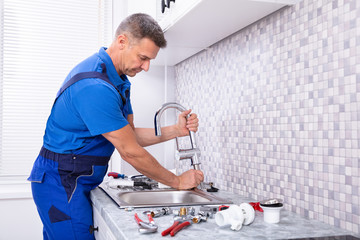
Typical job duties include inspecting and testing plumbing systems and fixtures to ensure compliance, installing new equipment, repairing existing items, and cleaning up the work area and tools. In addition to these tasks, plumbers are also responsible for providing a wide range of other services, such as unclogging drains and toilets, installing faucets, water heaters, and fixtures, and adjusting and balancing water pressure.

Plumbers must have strong problem-solving skills and be able to read blueprints. They must also be able to work well with other construction workers and have good spatial awareness. In addition to these skills, they must be able to use various tools and equipment. They often work from ladders, scaffolding, or hydraulic man lifts. Plumbers must also be able to work in tight spaces and at heights.

A high school diploma or GED certificate is required for this position, although additional qualifications include vocational training and work experience in the field of commercial plumbing repair. In some cases, a college degree or equivalent is preferred. Plumbers must be licensed by the state or city in which they work.

This position requires travel to service plumbing calls as needed, including weekends and holidays. During these visits, the plumber inspects work sites and determines the type of materials/equipment needed for the job at hand. Upon arrival at the customer’s location, the plumber performs the necessary repairs and tests, and ensures that all relevant regulatory codes are adhered to.

Service plumbers typically specialize in residential plumbing repairs. They can do pipe installations and repairs of public sanitation systems, but most of their jobs involve clearing obstructions from drains and toilets. They must be able to work quickly and efficiently in order to complete their repairs and meet customer expectations. They must also have a solid understanding of the different types of pipes and their components, as well as the tools used to install them.

Education Requirements

A high school diploma is the minimum educational requirement for most plumbers, although some start their careers with vocational programs at a trade school or community college. Vocational training programs offer a combination of classroom instruction and hands-on practice in the lab. The courses are designed to teach students about the plumbing industry and its tools and equipment. They also cover topics like safety, math for plumbers, and modern plumbing techniques. The Penn Foster Plumber Career Diploma program, for example, includes eight courses that prepare students to work in the field.

The next step for aspiring plumbers is to find an apprenticeship with an experienced plumber. This usually lasts 4-5 years and provides on-the-job experience in addition to classroom education. Once an apprentice has accumulated a certain number of hours, he or she can apply for a journeyman plumber certification. Journeymen can work independently and have higher pay levels.

Some plumbers choose to pursue a master plumber certification, which opens the door to more opportunities and higher salaries. Regardless of the level of certification, it is important for plumbers to be well-versed in local and national plumbing codes and standards. In addition, plumbers should also take continuing education classes to keep up with new technologies and techniques.

Because plumbing can be dangerous, it is important for plumbers to have a good working knowledge of safety regulations. They should be prepared to work in tight spaces and to lift heavy objects. They also need to be comfortable working with sewage and other hazardous materials. Finally, they need to be able to communicate clearly with customers in order to explain their work and answer questions.

The need for plumbers is projected to increase by 14 percent over the next decade. This career is ideal for those who want to work as part of a team, but have the flexibility to choose their own hours and projects. It is also less expensive than attending a four-year college, and offers the same opportunities for advancement and earning potential as other careers. Plus, it is a good choice for those who enjoy working outdoors and don’t mind the physical demands of the job.

Salary

Plumbers provide an essential service to society, helping maintain a safe and healthy environment for homes and businesses. Their work ensures that water, gas, and waste systems function properly, preventing dangerous situations like burst pipes or clogged drains. A career as a plumber can be challenging, but it also offers many rewards. It’s a great option for those who enjoy working with their hands and solving real-world problems. In addition, skilled plumbers can earn competitive wages.

The salary of a plumber depends on their specialization, level of experience, and education. Apprentices start out low, but can see a significant jump in their pay as they become journeymen and master plumbers. In addition, earning specialized certifications in areas like backflow prevention or green plumbing can significantly boost earnings.

Unlike other skilled trades, plumbers don’t need to have a college degree to qualify for the job. This is because it is heavily based on skills and training, rather than education. However, there are certain soft skills that are important for the role, including teamwork and communication skills. This is because large jobs often require the coordination and collaboration of multiple people to complete.

In addition to salaries, plumbers can earn additional income through overtime and performance bonuses. Emergency services, such as fixing burst pipes or addressing severe leaks, tend to attract higher rates because of the urgency involved. Some plumbers also choose to set up their own business, which can lead to increased earnings.

To maximize your earning potential, it’s essential to learn how to price jobs effectively. By using a straightforward formula, you can calculate your direct costs and add a profit margin to your final quote. You can then use this information to create a consistent pricing structure that will help you maintain profitability and stay competitive with other plumbers in your area.