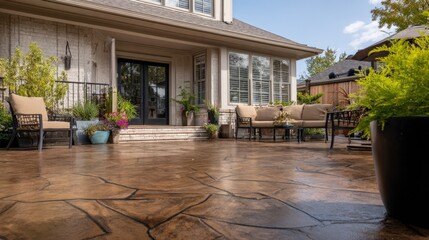
Concrete is a durable product, but it requires a little care to look its best. Whether it’s a stamped or stained concrete walkway, patio or pool deck, regular cleaning and maintenance can prevent damage and keep the surface looking new.
Contractors who take concrete seriously include a maintenance plan in their bids. Visit https://decorativeconcretesolutions.biz/ for more information. Here are some tips to help you keep your decorative concrete looking its best:
1. Power Washing
Concrete is a great material for outdoor surfaces because it can withstand the elements. However, just like your favorite leather jacket, it requires a little TLC to maintain its beauty. A few simple steps can prevent stains, mold growth, and cracks, and ensure that your decorative concrete lasts a long time.
A regular cleaning routine is important for any surface, including concrete. Sweeping and using a leaf blower can help remove dust, dirt, and debris that dull the finish of decorative concrete. Using a pressure washer can also be a great way to clean your concrete. When used correctly, it is a safe and effective tool for cleaning concrete surfaces, including patios and driveways. When you are ready to use a power washer, be sure to read the directions and follow safety precautions. It is important to keep the nozzle at least 10-12 inches away from the surface of the concrete and to spray at an angle. If you are not comfortable using a power washer, it is always best to hire a professional to perform the task.
While a basic clean will remove most contaminants, there are times when a deeper clean is needed. If you have a concrete stain that won’t budge, such as oil or grease stains, it is a good idea to use a chemical cleaner. There are several types of products available, such as citrus-based, muriatic acid, or trisodium phosphate (TSP). Always consult the contractor who installed your concrete or a reputable cleaner for specific instructions and safety precautions.
Sealing is another essential step in maintaining your concrete. A good sealer will protect the concrete from harmful chemicals and UV rays that can discolor and damage the surface of the concrete. It is also a great way to prevent spills from soaking into the concrete and becoming a stain.
While a sealer will greatly extend the life of your decorative concrete, it does not protect against deterioration caused by freeze-thaw cycles and general weathering. It is a good idea to reseal your concrete every two years to prevent premature failure. For best results, you should reseal your concrete after a proper cleaning and preparation.
2. Cleaning
Concrete is tough, but it is not impervious to environmental damage. Persistent moisture can damage the structural integrity of decorative concrete, as well as cause mold and mildew growth that is unsightly and poses a health risk. Frequent freeze-thaw cycles in climates with seasonal temperature fluctuations can exacerbate the issue by allowing water to soak into the concrete, then expand and crack it during cold weather, resulting in surface deterioration and scaling. Abrupt temperature changes can also cause moisture to seep into the internal steel reinforcement of concrete, leading to corrosion and eventual surface cracking.
Performing a basic cleaning on a decorative concrete surface several times a year can prevent buildup and staining. Outdoor surfaces should be swept regularly and washed with a neutral pH cleaner when necessary. Using mats at entranceways can reduce dirt tracked onto the concrete, and furniture pads (felt or casters) on legs can prevent scratches.
Indoor surfaces can be swept and mopped with an industrial-strength nonabrasive chemical cleaner, but they require special attention to prevent staining. Spills must be cleaned up immediately, and a commercial-grade floor wax can protect the surface against stains and wear over time.
Achieving the best results from your concrete requires regular inspections to catch problems before they grow out of control. Look for signs of wear, such as small cracks, chips and surface discoloration, and seal these areas to prevent water penetration.
It is important to reseal concrete surfaces every 18-24 months. Routine resealing keeps concrete looking new, prevents color fading and environmental deterioration, and makes it more resistant to stains. In winter, avoid distributing salt or de-icer on decorative concrete as these chemicals are highly caustic and will quickly break down the protective seal coating. When resealing is required, the concrete should be thoroughly pressure washed and then allowed to dry completely before reintroducing foot traffic. If the concrete is exposed to heavy traffic, reseal every 6-12 months. Abrasion can quickly wear down a smooth finish, so consider adding a trowel texture after resealing. Ideally, a matte floor finish is preferred to a shiny floor for high-traffic areas.
3. Sealing
Concrete structures and surfaces are often an investment for the future of a home or business, so protecting them is important. Sealing concrete helps prevent damage from inclement weather and environmental factors that cause deterioration and reduce lifespans. A properly executed sealing job can rejuvenate aging concrete and make new surfaces appear even better than they did when they were first installed.
In addition to providing protection from water, a sealant is an effective preventive measure for discoloration caused by UV rays. According to Borum, this is especially important for integrally colored concrete projects, where fading can cause the color to look dull and unappealing.
There are a variety of options available for concrete coatings and sealers. The best choice for your surface depends on its needs, usage, and location. Acrylic sealers are a popular option for concrete surfaces that require both short-term visual enhancement and protection. They provide a barrier against UV rays and light moisture, but must be reapplied frequently to maintain their effectiveness. A penetrating sealer offers a more permanent solution, soaking into the concrete to create a long-lasting moisture barrier that will not need reapplication.
Stained and stamped concrete surfaces also benefit from a good protective coating. It is important to clean these areas regularly, sweeping and vacuuming to keep them free from debris and dirt that can scuff or scratch the surface. Wiping up spills as soon as they occur will also help protect the surface and keep it looking its best. It is also helpful to use furniture pads or tap in protectors for any wood, metal, or plastic pieces that may come into contact with the concrete. Having a floor finish applied to sealed concrete is an optional extra that will give it an added layer of protection. It is advised to reapply this product after a few years.
The winter months are particularly harsh on decorative concrete, making proper maintenance more crucial than ever. Without the proper care, these beautiful surfaces can be damaged by chloride penetration and freeze thaw cycling. These issues are exacerbated by salt and other deicing chemicals, which can damage the surface of the concrete. Using sand instead of deicing products will improve traction and minimize the impact on the concrete.
4. Painting
Concrete is prone to cracking from extreme heat and cold, but painting it adds an additional layer of insulation that can help reduce future damage. Additionally, when painted with a high-quality product, concrete paint offers a warranty of 10 years or more.
Unlike carpet, which traps dust and allergens, painted concrete floors are easy to sweep and mop. They also resist stains, making them an ideal choice for kitchens, garages and workshops.
The first step in painting any surface is to clean it thoroughly. If there is a lot of dirt, debris or oil buildup, use a pressure washer to remove it. Then, a solution of water and trisodium phosphate (TSP) can be used to remove any efflorescence, which are salt deposits that often appear on concrete surfaces. After cleaning, the area should be allowed to dry completely.
Once the area is free of any contaminants, a primer should be applied to prepare the concrete for its final coat. A concrete floor primer, such as the DRYLOK(r) Latex Concrete Floor Primer, is an excellent option because it can be used in a variety of sprayers, and it dries quickly for a fast project. After applying the primer, wait a few hours to allow it to fully cure.
After the priming coat is fully dried, it’s time to apply the concrete paint. The right type of paint is crucial, as different concrete coatings offer varying levels of durability and stain resistance. For example, epoxy paint is an excellent option for garage floors because it’s extremely durable and resistant to chemicals.
Before applying any paint, it’s important to tape off areas where the new coating will touch walls, trim and other structures. Also, it’s important to choose a non-skid paint if the surface will be used for walking or driving.
A professional can help ensure that the proper steps are taken for a long-lasting, durable finish. In addition to cleaning, priming and etching, an experienced contractor can also repair any cracks or imperfections in the concrete before finishing. They can also suggest the best sealer to protect and maintain the decorative concrete.